How to pack kitchen essentials for a vacation rental
· Editorial team atlantanewsdaily24.com
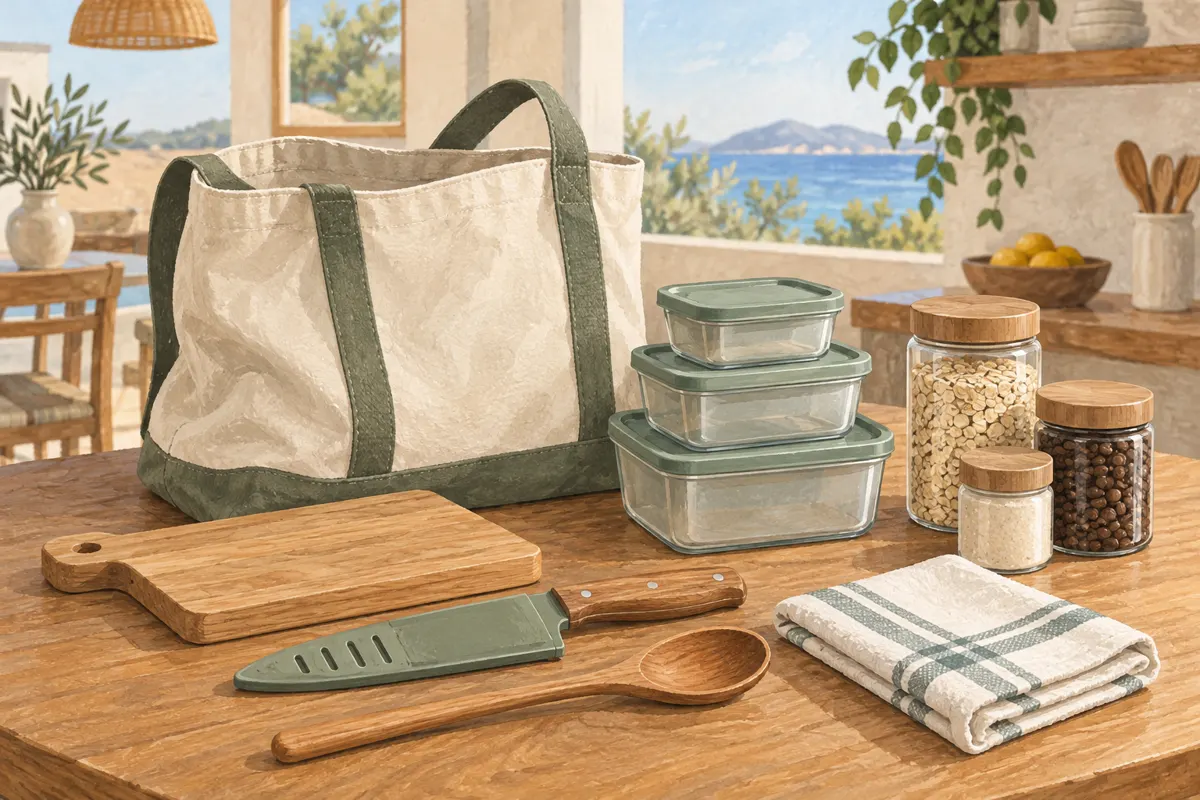
Bring only the kitchen supplies your vacation rental lacks and your planned meals require. Start with the host’s equipment list, then pack a few compact utensils, small portions of pantry basics, and supplies for cleanup and leftovers. Leave bulky cookware at home unless you have confirmed a specific need.
Check what the rental actually provides
Before packing, read the listing’s kitchen inventory and ask the host about anything unclear. A kitchen description alone does not tell you whether you can drain pasta, open a can, or make your usual coffee. Match your questions to the meals you expect to prepare.
- Cooking: Is there a stovetop, oven, or microwave? Are a pot, frying pan, lids, and baking tray provided?
- Preparation: Are there usable knives, a cutting board, mixing bowl, colander, and can opener?
- Serving: Are there enough plates, bowls, mugs, and utensils for your group?
- Coffee: What kind of coffee maker is available, and does it need filters or specific pods?
- Cleanup: Are dish soap, a sponge, towels, trash bags, and dishwasher detergent supplied?
Make three short lists: provided, bring, and buy after arrival. If an essential item is missing, ask whether the host can supply it before adding it to your luggage. Confirm cookware compatibility if you intend to bring your own pot or pan.
Choose meals before choosing utensils
Our proposed approach is to plan the first breakfast, the first dinner, and a few flexible meals for the rest of your stay. This gives each packed item a purpose without tying every day to a fixed menu. Choose recipes you already know and can make with the confirmed equipment.
- Breakfast proposal: Oatmeal with fruit if a pot or suitable microwave bowl is available.
- Lunch proposal: Sandwiches or wraps using a knife and cutting board.
- Dinner proposal: Pasta with jarred sauce if the rental has a pot and colander.
- Alternative dinner proposal: A skillet meal using vegetables and canned beans if a frying pan and can opener are available.
Favor ingredients that work across several meals, such as bread, vegetables, and one seasoning blend. Skip recipes that require a blender, several pans, or precise baking measurements unless those tools are provided. For a short stay, planning fewer cooked meals may also reduce what you need to carry.
Build a small kit around confirmed gaps
Compact, multipurpose tools deserve priority. A bowl can serve for mixing and serving, while a lidded container can hold packed ingredients on the way there and leftovers during your stay. Use the following proposed kit as a starting point, removing anything the rental already supplies.
- A small cutting board and kitchen knife with a secure blade cover, if appropriate for your travel arrangements.
- One wooden spoon or a spatula suitable for the cookware you will use.
- A compact can opener if your menu includes cans without pull tabs.
- A collapsible colander if pasta is planned and none is provided.
- One or two nesting food containers with matching lids.
- A measuring spoon or cup only if a planned recipe needs one.
Bring extra mugs, plates, or cutlery only when the supplied quantity is insufficient. Leave specialty gadgets and duplicate utensils behind. If a missing tool serves just one recipe, changing that recipe may be easier than packing the tool.
Portion pantry basics and cleanup supplies
Pack pantry items in amounts suited to your menu rather than taking full household packages. A proposed basic selection is salt, pepper, a favorite seasoning, cooking oil, and coffee or tea. Add dry foods only when they have a planned use, and label anything transferred from its original packaging.
Keep oil in a tightly closed bottle inside a separate leak-resistant bag. Put dry ingredients in sealed containers and group them together. Buy refrigerated ingredients after arrival when practical, especially if you have not planned suitable cold storage for the journey.
For cleanup, fill only the gaps the host confirms: perhaps a small bottle of dish soap, a fresh sponge, a dish towel, and a few trash bags. Include dishwasher detergent only if there is a dishwasher. Keep cleaning products separate from food, and leave room to bring your reusable containers home.
Pack together and check once on arrival
- Lay out the kit beside your meal list. Remove items that do not support a meal, serving, storage, or cleanup task.
- Nest containers, secure lids, cover sharp edges, and pack utensils in one pouch.
- Keep the first meal’s ingredients easy to reach so you do not need to unpack everything immediately.
- On arrival, check the kitchen before grocery shopping. Adjust your meals to the equipment actually available.
- Before departure, wash and dry your supplies, check drawers and the refrigerator, and follow the host’s instructions for leftover food.