How to organize a small pantry so dinner ingredients are easy to find
· Editorial team atlantanewsdaily24.com
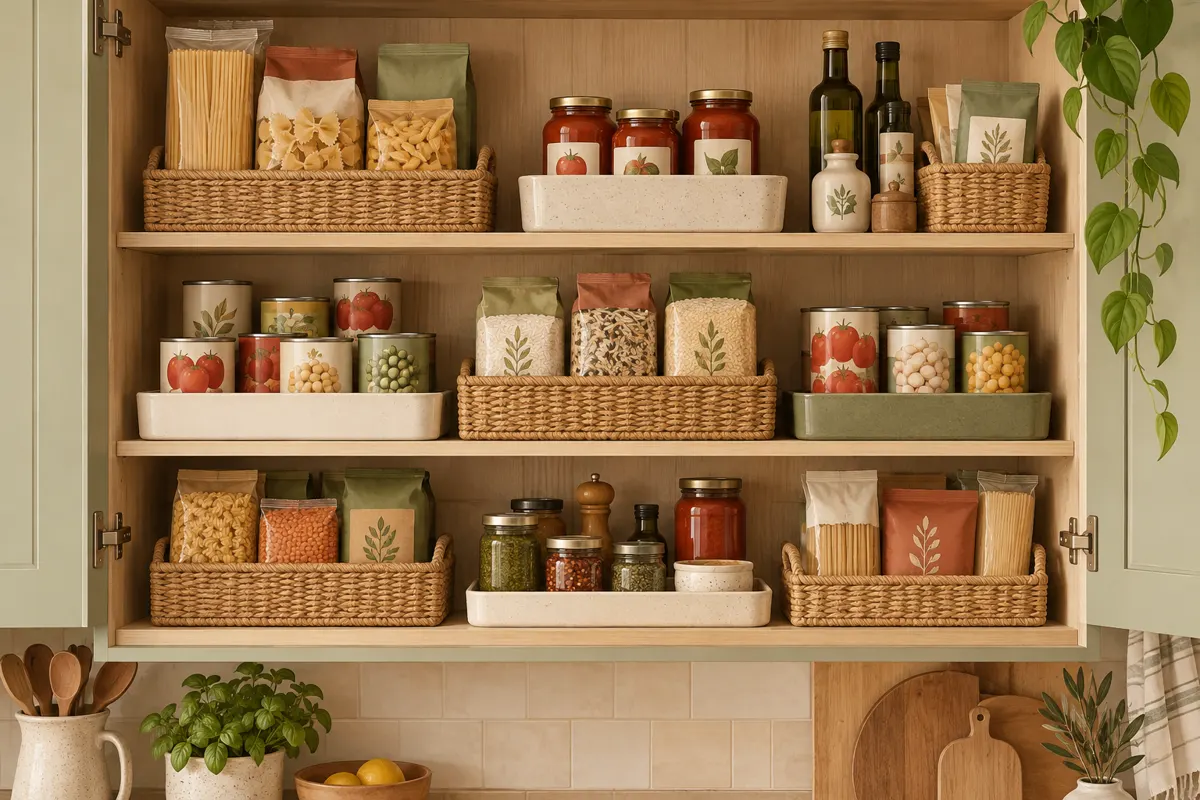
Organize a small pantry around the dinners you cook most often: keep frequently used ingredients within easy reach, group foods you use together, and place older packages in front of replacements. You can make one crowded cabinet easier to use with a few containers already at home and a quick check before shopping.
Start with the ingredients you actually use
Empty the cabinet onto a clear surface so you can see duplicates, opened bags and ingredients hidden at the back. Wipe the shelves, then sort the food around your usual meals. The aim is to give every ingredient a place you can find while cooking.
- Separate dinner ingredients from breakfast foods, snacks and baking supplies.
- Gather duplicates together so you know how much pasta, rice or canned food you already have.
- Set aside ingredients you rarely use and decide which upcoming meal could use them.
- Choose a few dinner groups that match your habits, such as pasta meals, rice bowls and soups.
Keep the groups broad. If canned beans go into several different dinners, give them one consistent home rather than splitting them between several meal groups. An arrangement that needs little explanation is easier for everyone in the household to maintain.
Give each shelf a clear job
Here is a proposed layout for a three-shelf cabinet. Adapt it to your reach and shelf height; the most accessible shelf should hold the ingredients you handle most often.
- Top shelf: occasional baking ingredients and lightweight unopened backups. Keep each backup behind or near its matching everyday item where practical.
- Middle shelf: your main dinner groups. Place pasta beside sauce, rice beside the seasonings you usually pair with it, and soup ingredients together.
- Bottom shelf: heavier cans and jars, plus a separate small area for breakfast foods or snacks if this cabinet must hold everything.
Face labels outward and turn boxes sideways when their narrow edges still identify the contents. Avoid towers that require moving several items to reach one ingredient. If you have only two shelves, use left and right zones to create the same divisions.
Use household containers to reach the back
For a deep cabinet, a container you can pull forward makes the rear space more accessible. Try an existing shallow basket, small tray or sturdy box to hold packaged ingredients. Check that it fits with the door closed and is easy to lift when filled.
- Use a shallow tray for sauce bottles or seasonings that belong together.
- Stand small packets in an open container so they do not disappear between larger packages.
- Keep tall packages toward the back and shorter ones toward the front when both remain visible.
- Label the front of each container with a plain description, such as pasta dinner or soup supplies.
Leave food in its original packaging unless transferring it solves a specific problem. If you use a suitable food-storage jar, retain the product name, cooking directions and date information. Stop filling a basket when you can no longer comfortably see or remove its contents.
Rotate supplies when groceries arrive
Use a first-in, first-out routine: older supplies stay in front, and new purchases go behind them. Keep opened packages visible so you remember to finish them before opening another. This works best when duplicates share one location.
As an editorial proposal, reserve one small front corner for ingredients to use in upcoming meals. Put an overlooked bag of lentils or a partly used pasta package there, then choose a dinner that uses it. Keep this area small enough that it remains a reminder rather than another crowded pile.
Build your shopping list from the cabinet
Check the pantry before planning dinners or writing a grocery list. A proposed three-part note on paper or your phone is enough: dinners planned, ingredients already available, and ingredients missing. Include quantities where useful, such as one unopened bag plus a partly used bag of rice.
Choose meals that use what is already there, then list only the gaps. Before buying an unfamiliar ingredient, identify another meal that could use the remainder. After putting groceries away, return stray packets to their groups and check that the front labels are visible. That small reset keeps the cabinet useful for the next dinner.