How to keep a food-waste diary that improves meal planning
· Editorial team atlantanewsdaily24.com
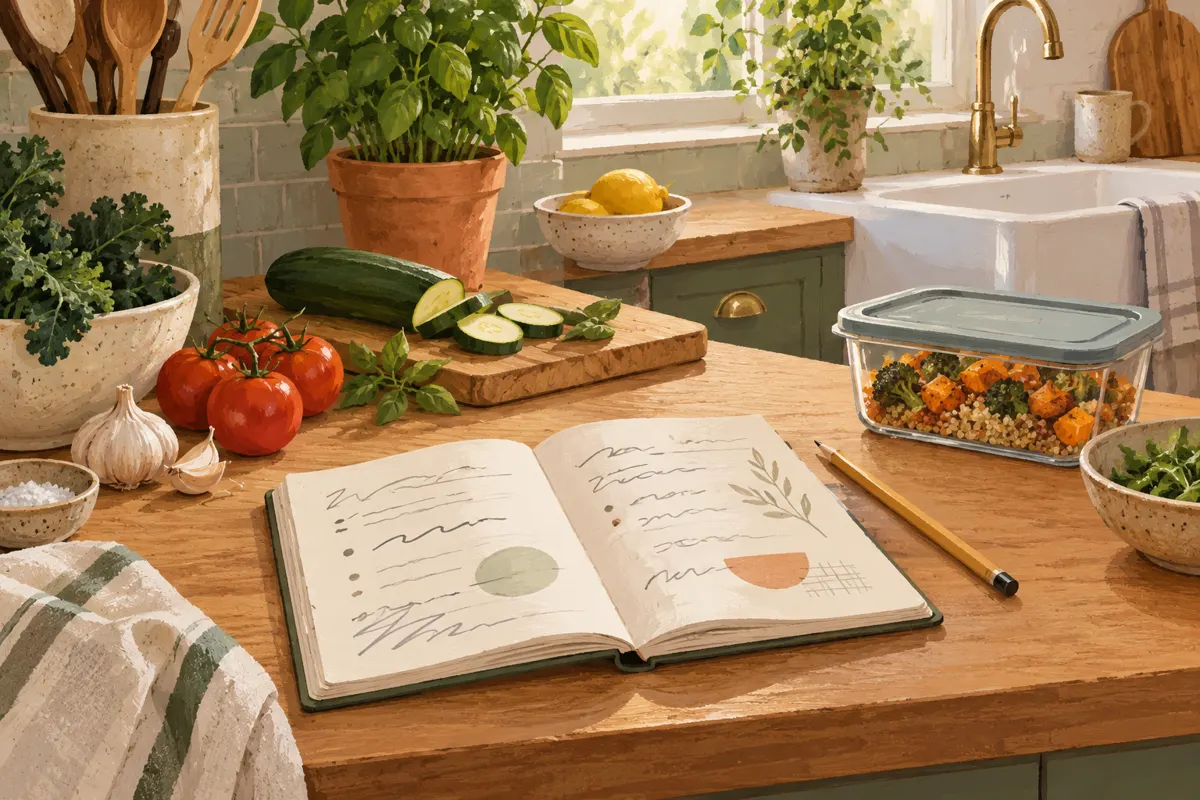
Keep a food-waste diary by recording what you discard, roughly how much, and why. Before your next grocery trip, review those entries alongside the food you still have. Use the patterns to buy smaller quantities, plan meals around ingredients already open, and give leftovers a place in the week.
Start with a diary you can update easily
The proposed routine is simple: use a notebook near the kitchen, a shared phone note, or a basic spreadsheet. Choose whichever you can reach when clearing plates or checking the refrigerator. You do not need a complete inventory of everything you own to begin.
Start with food that was intended to be eaten but went unused: forgotten produce, unfinished meals, stale bread, or an ingredient bought for a recipe you never made. If you also record unavoidable scraps, keep them separate so they do not obscure shopping and cooking decisions.
Make each entry when the waste happens. A brief note is enough; the goal is to remember the reason, not produce a perfect record. In a shared kitchen, let everyone add entries without assigning blame.
Record the food, amount, and reason
For this proposed diary format, record five details. Estimates are fine as long as they mean something when you review them later.
- Date: when you discarded the food.
- Food: name the ingredient or dish, such as spinach or leftover pasta.
- Amount: use a practical description, such as half a bag, two slices, or one serving.
- Reason: bought too much, cooked too much, forgot it, disliked it, or changed plans.
- Possible adjustment: note one thing you could do differently next time.
A hypothetical entry might read: Tuesday; half a bag of spinach; bought for two dinners but cooked only one; buy a smaller bag or schedule the second meal earlier. Another might be: Friday; one serving of pasta; nobody wanted the same dinner again; cook less next time.
Be specific about the cause. “Forgot it behind the milk” points toward better visibility. “Did not enjoy the recipe” points toward a different meal. Those problems need different changes.
Review the diary before making your shopping list
Pair the diary review with a weekly check of your refrigerator, freezer, and pantry. StopWaste recommends checking what you already have and identifying what needs using soon. Your diary adds a second question: what repeatedly goes uneaten?
- Read the latest entries and look for repeated foods or reasons.
- Check whether you still have those ingredients before adding more to the shopping list.
- Choose one recurring problem to address in the coming week.
- Write the adjustment beside your meal plan so it becomes a specific action.
In this proposed review, repeated waste matters more than an isolated disrupted evening. If bread keeps going stale, change how much you buy or freeze part while fresh. If a single dinner was canceled, allow more flexibility in the next plan.
Turn the patterns into meals and quantities
Build meals around food already in the kitchen, especially opened ingredients and items that need using soon. StopWaste suggests a regular leftovers night and flexible dishes such as soups, stir-fries, and frittatas for using available ingredients.
- If you buy too much, propose a smaller quantity for the next trip and see whether it meets your needs.
- If recipes leave ingredients unused, plan another meal that uses the remainder before buying them.
- If portions are consistently too large, reduce the next batch or set aside suitable portions for freezing.
- If food gets hidden, put older items toward the front and group food to use first in a visible spot.
- If plans often change, leave a flexible meal slot for leftovers instead of buying ingredients for every evening.
When freezing food for later, label it with the contents and date. Give those portions a place in a future meal plan so they remain visible in your routine.
Keep the useful habits and simplify the rest
At the next review, check whether your chosen adjustment helped. Did the smaller purchase get eaten? Did the planned lunch use the leftovers? Keep recording approximate amounts consistently so you can compare similar entries.
If the diary feels burdensome, shorten the entries to food, amount, and reason. If you miss a day, resume with the next item. The useful result is a shopping list and meal plan that reflect what your household actually eats.